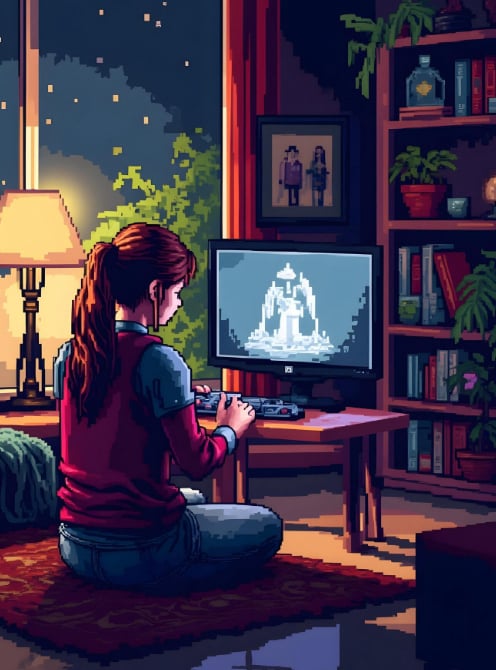
We examine how spaces shape a player's experience. This blog discusses the tools of level architecture and visual language in level design. Our focus is on creating memorable journeys through intentional design.
We move beyond basic tutorials. Here, we dissect how scenarios and locations are constructed to evoke specific feelings. We analyze the interplay between complexity and structure to understand player psychology. The content is built on observation and theory, fostering a community of thoughtful creators. We believe in understanding the 'why' behind every design choice.
We break down existing levels to understand their inner workings. Each article connects a theoretical concept like tension through space to practical, observable examples from various digital worlds.
Exploring the fundamental elements that shape experience. We discuss how lighting, sound, geometry, and pacing serve as tools for guiding the player's journey as a narrative.
Focusing on the human element of interaction. We delve into how design choices affect perception, decision-making, and emotional response, directly linking to design for engagement.
This blog is a starting point for discussion. We encourage sharing perspectives and interpretations to build a richer collective understanding of level design and atmosphere.
Our core mission is to investigate how virtual environments influence a player's emotional state. We believe that level architecture is a primary narrator, often speaking louder than any script. This blog is dedicated to unpacking the subtle and overt methods designers use to craft experience.
We analyze how the deliberate use of narrow corridors and freedom can orchestrate feelings of anxiety or relief. Every post aims to connect a spatial design principle to the resulting emotion through gameplay, providing a framework for both analysis and creation. By studying these patterns, we aim to highlight the craft behind the worlds we explore.
An analysis of how narrow corridors, low ceilings, and controlled movement are used not as limitations, but as deliberate tools to orchestrate a player's rising unease and shape their emotional journey.
Exploring how environmental storytelling through set-dressing, lighting, and material decay builds narrative and atmosphere without a single line of dialogue, focusing on the grammar of visual communication in games.
Examining how the alternation between calm exploration, focused puzzle-solving, and intense encounters creates a compelling emotional rhythm that maintains player engagement and prevents fatigue.
A comparative look at how tightly structured, linear sequences versus open, systemic landscapes evoke fundamentally different emotional responses and modes of player agency.
JES ApS is a collaborative blog run by a small team of level design enthusiasts and researchers based in Brazil. We come from diverse backgrounds in architecture, psychology, and interactive media, united by a fascination with how constructed spaces tell stories and guide feelings. Our goal is not to promote projects, but to contribute to a deeper discourse.
We write as observers and students of the craft. Our location in Brazil offers a unique cultural lens through which we view global design trends. The blog serves as our notebook—a place to structure thoughts on complexity and structure, share findings, and engage with a curious community. We believe that by understanding the tools of emotional guidance, we can all become more mindful creators and players.

While tools like lighting and sound are crucial, we believe the most fundamental tool is space itself. The arrangement of paths, vistas, and obstacles directly dictates pacing and feeling. Tension through space is often achieved by controlling sightlines and movement options before any other element is added.
It uses visual language in level design. A worn path, a strategically placed object, or the transition from order to decay can convey narrative. The player's journey as a narrative is told through the sequence of spaces they navigate and the environmental clues they discover.
Not necessarily. Complexity and structure must serve the intended experience. A simple, focused corridor can be more effective for creating dread than a vast, confusing maze. The key is intentionality—every element should have a purpose in guiding the player's emotion.
Through design for engagement that encourages intrinsic motivation. This involves creating intriguing spaces that invite exploration, placing subtle rewards for curiosity, and balancing challenge with a sense of discoverability. The environment itself should pose questions the player wants to answer.
A location is the setting—a castle, a spaceship, a forest. A scenario is the interactive sequence that happens within it—the chase, the puzzle, the retreat. Effective scenarios and locations work in harmony; the space enables and enhances the intended action and emotional beat.
Office
Connect
01
02
03
Plejeltvej 16 Plejelt
3230
Græsted